|
|
|
|
 |
||
|
|
|
|
|
|
||
 |
 |
 |
 |
 |
 |
 |
 |
|---|
|
This page shows some examples of some of the material that we use for backs and sides. All this material is hand selected for its acoustic properties by holding the plate in a certain location and tapping it with the other hand in another special location. The resulting "tap tone" gives us an indication of what the end product will sound like. |
|
|
|
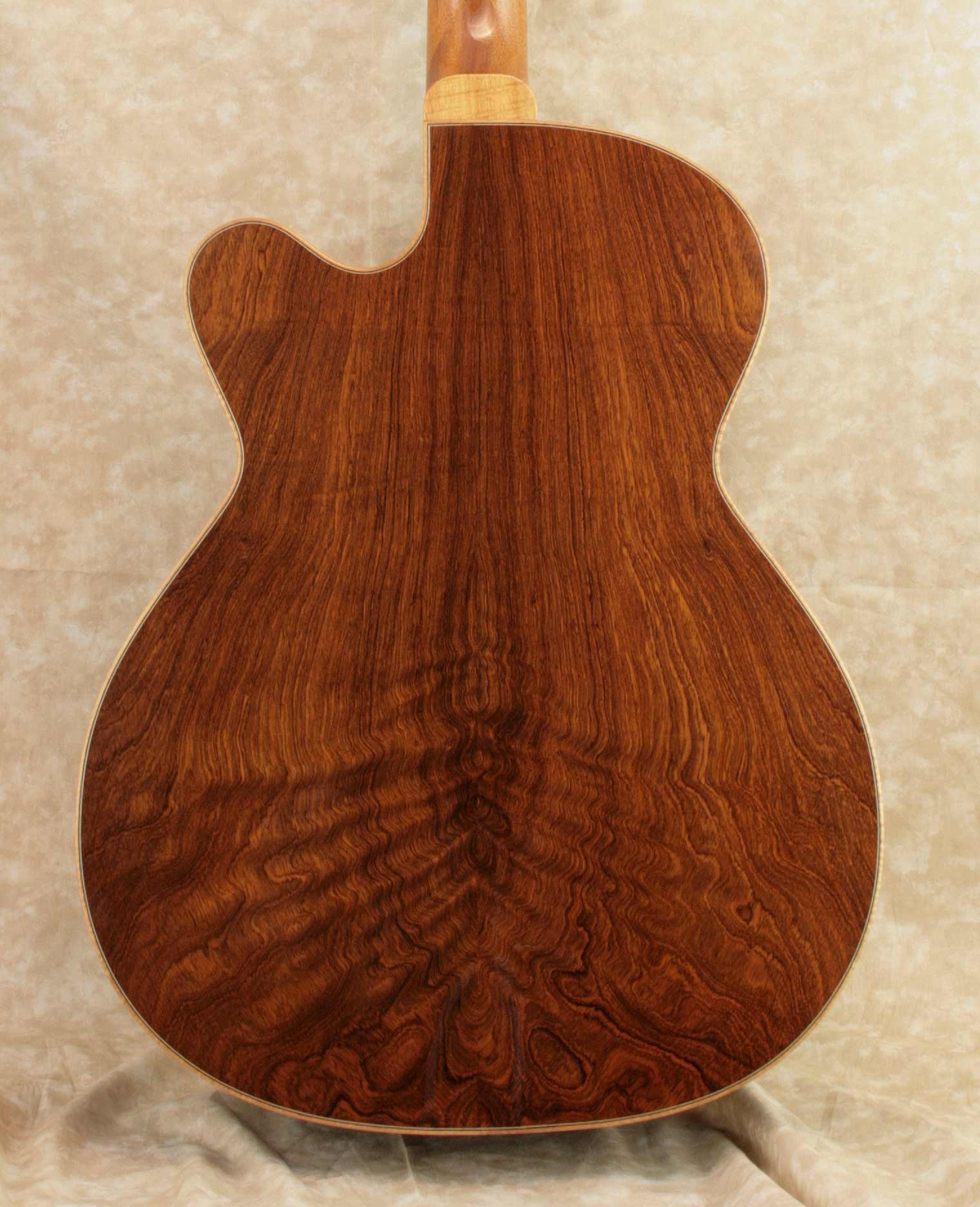
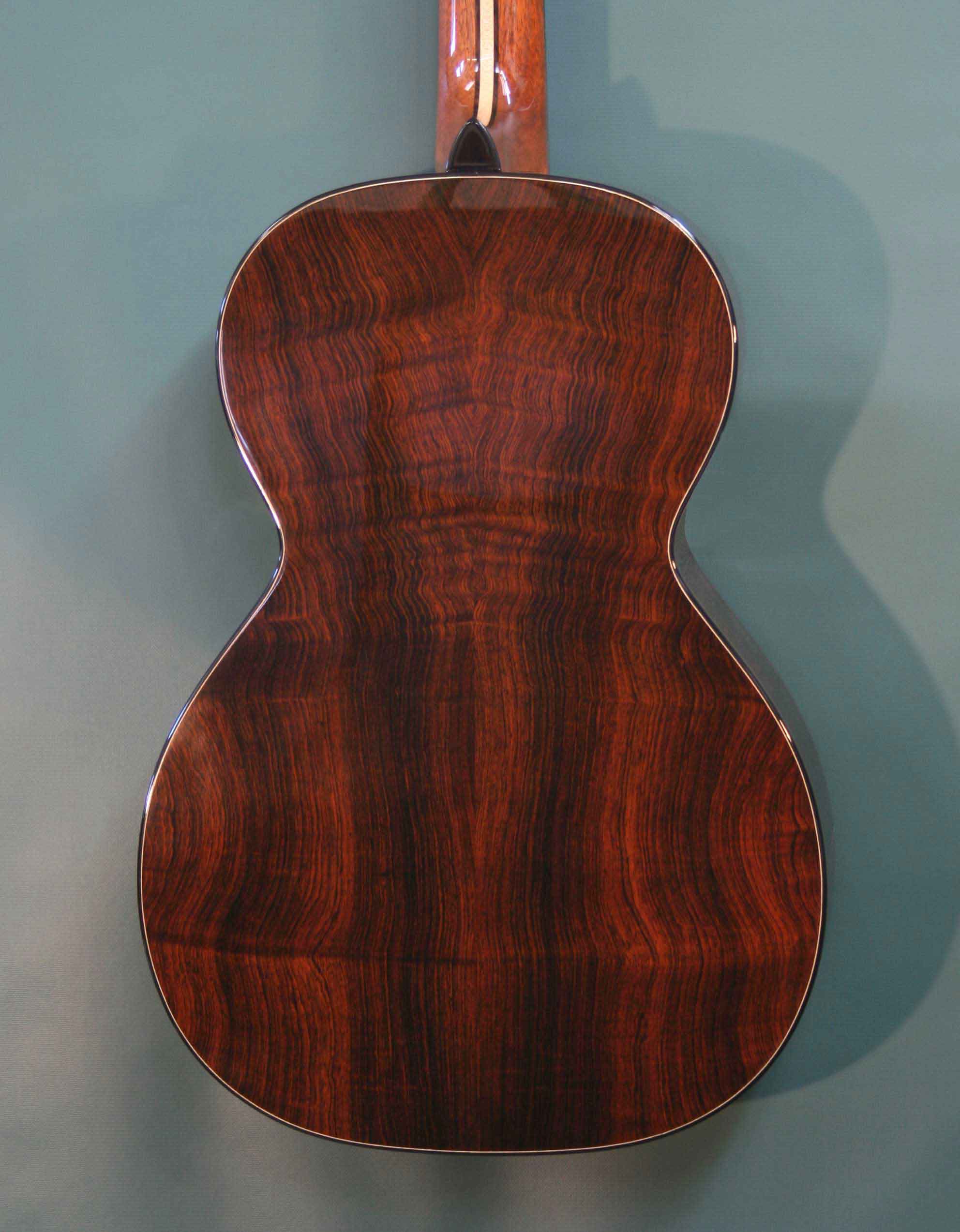
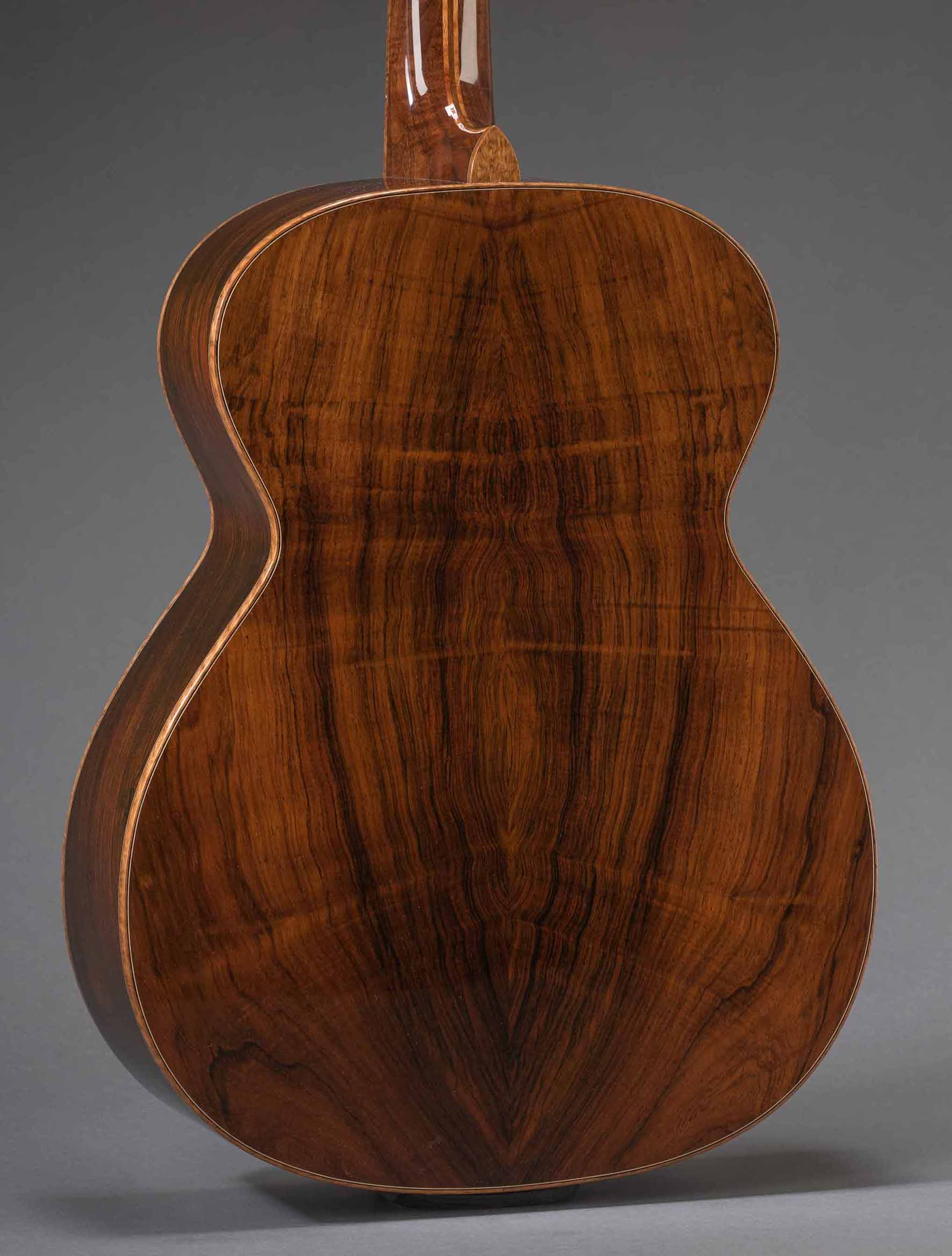
Brazilian Rosewood
The Brazilian rosewood we have was harvested from the stumps left behind by the tree fallers. Sadly, this species of rosewood fell victim to over harvesting. Now it is considered as endangered and can not cross international borders. We do not have much of this beautiful material left.
As shown below all of these are quite different. |
|
 |
|
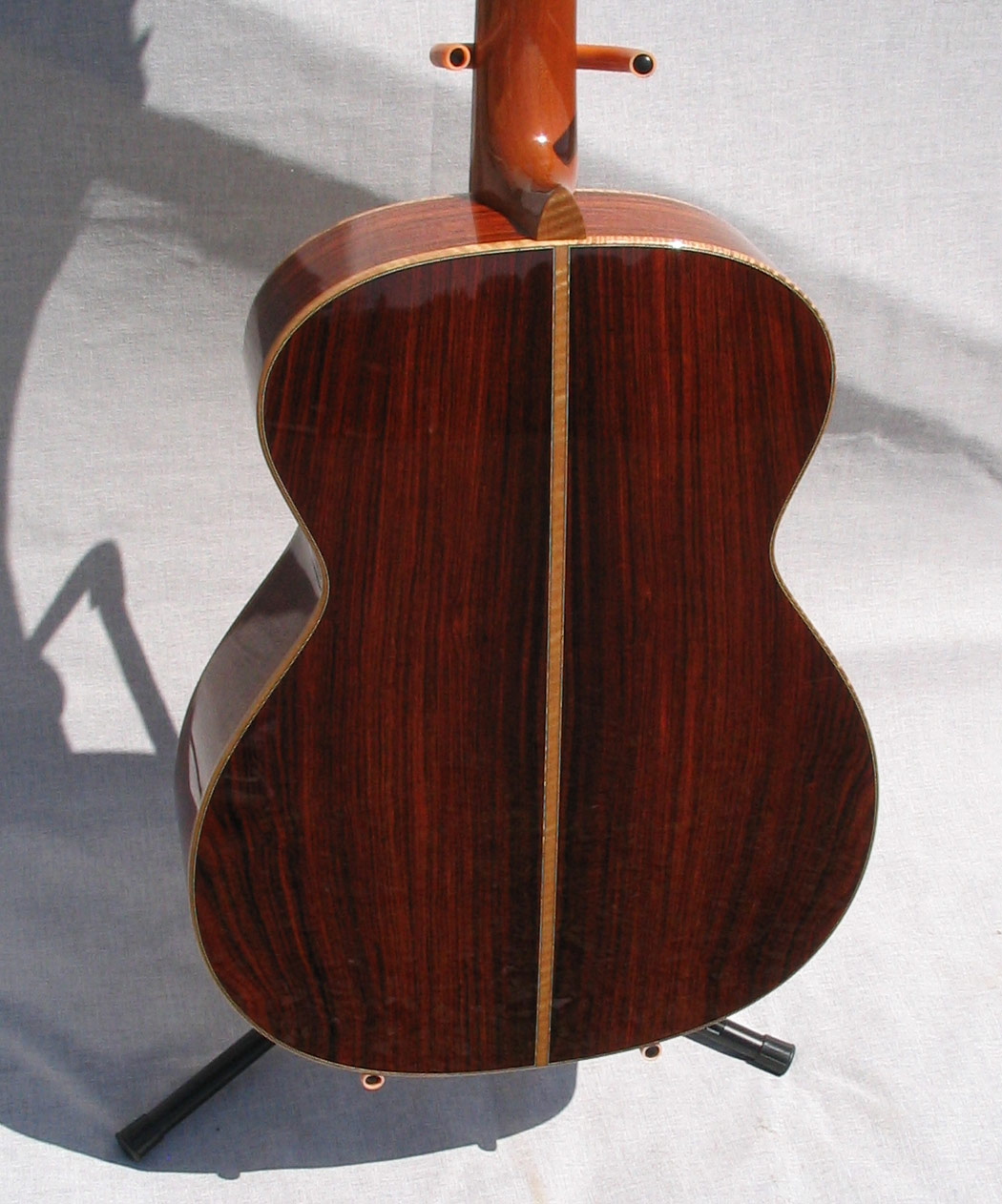
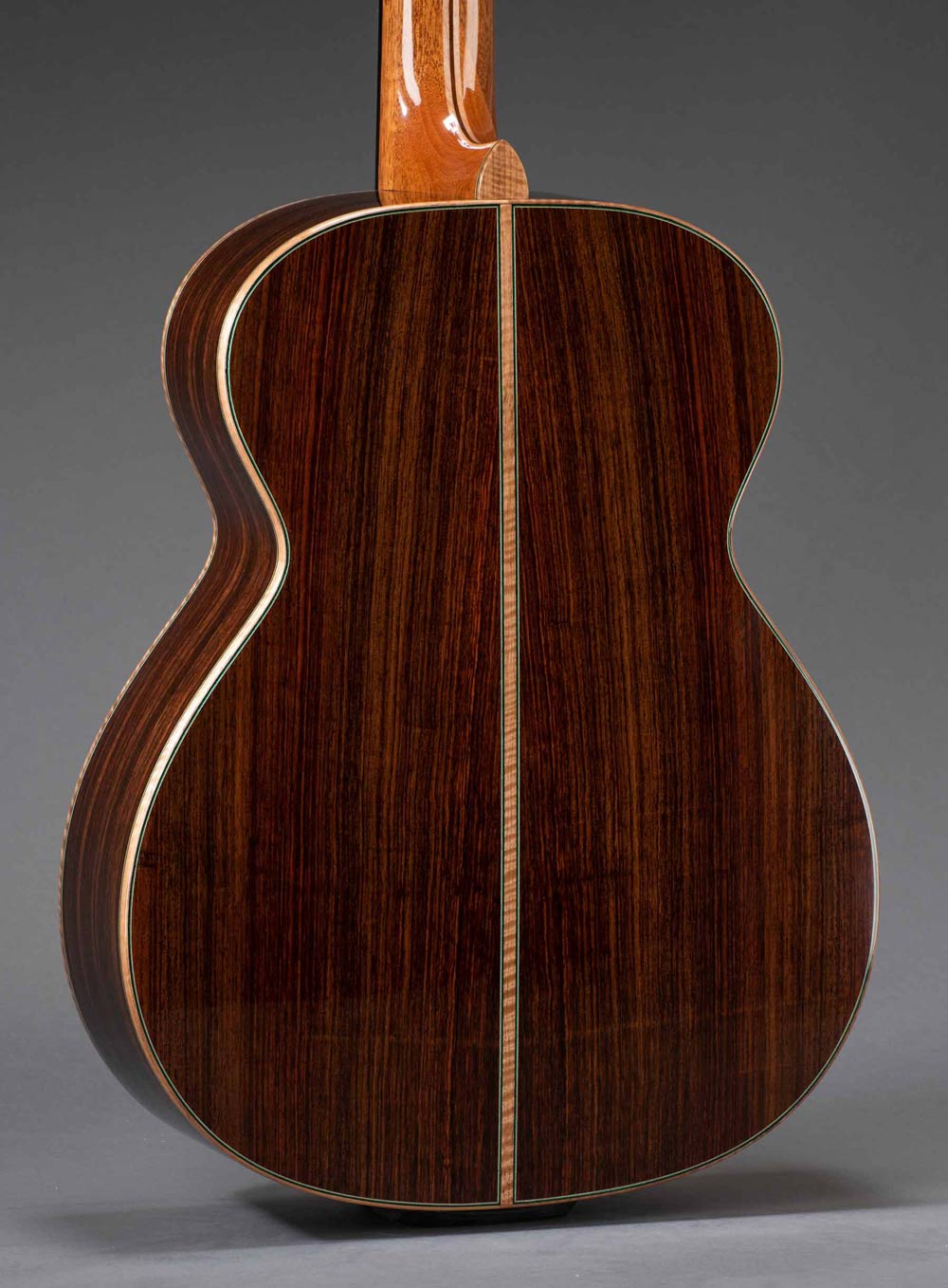
Cocobolo
Cocobolo is a rosewood that has
many of the same fine qualities as its Brazilian cousin only is much easier to find.
Shown here with flamed Koa binding and center strip. |
 |
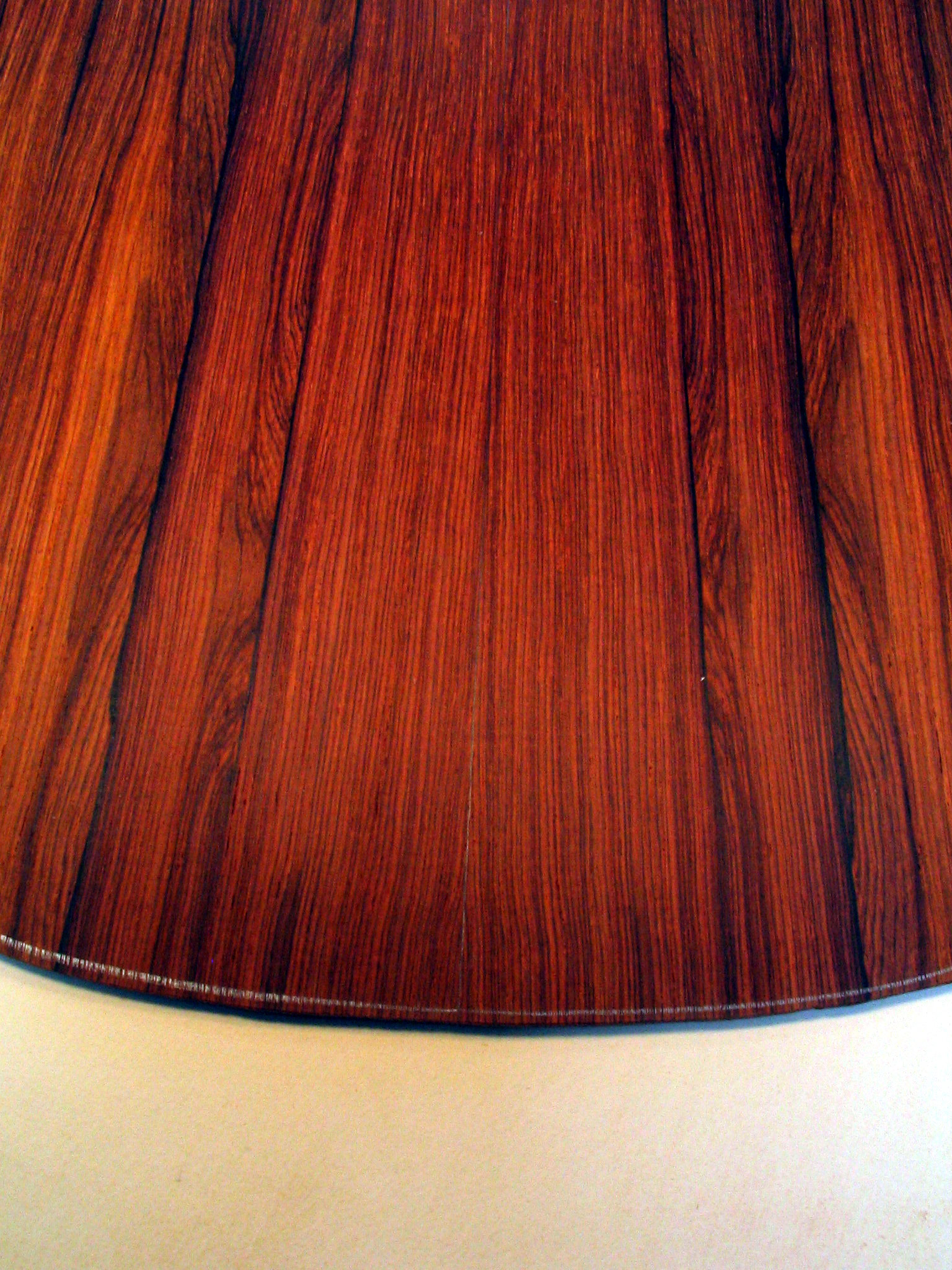
East Indian Rosewood Actually there are many species of rosewood in the world. We love this material for backs and sides. Our collection is some of the most colorful we have seen. Shown here with flame figured koa binding and center strip. |
 |
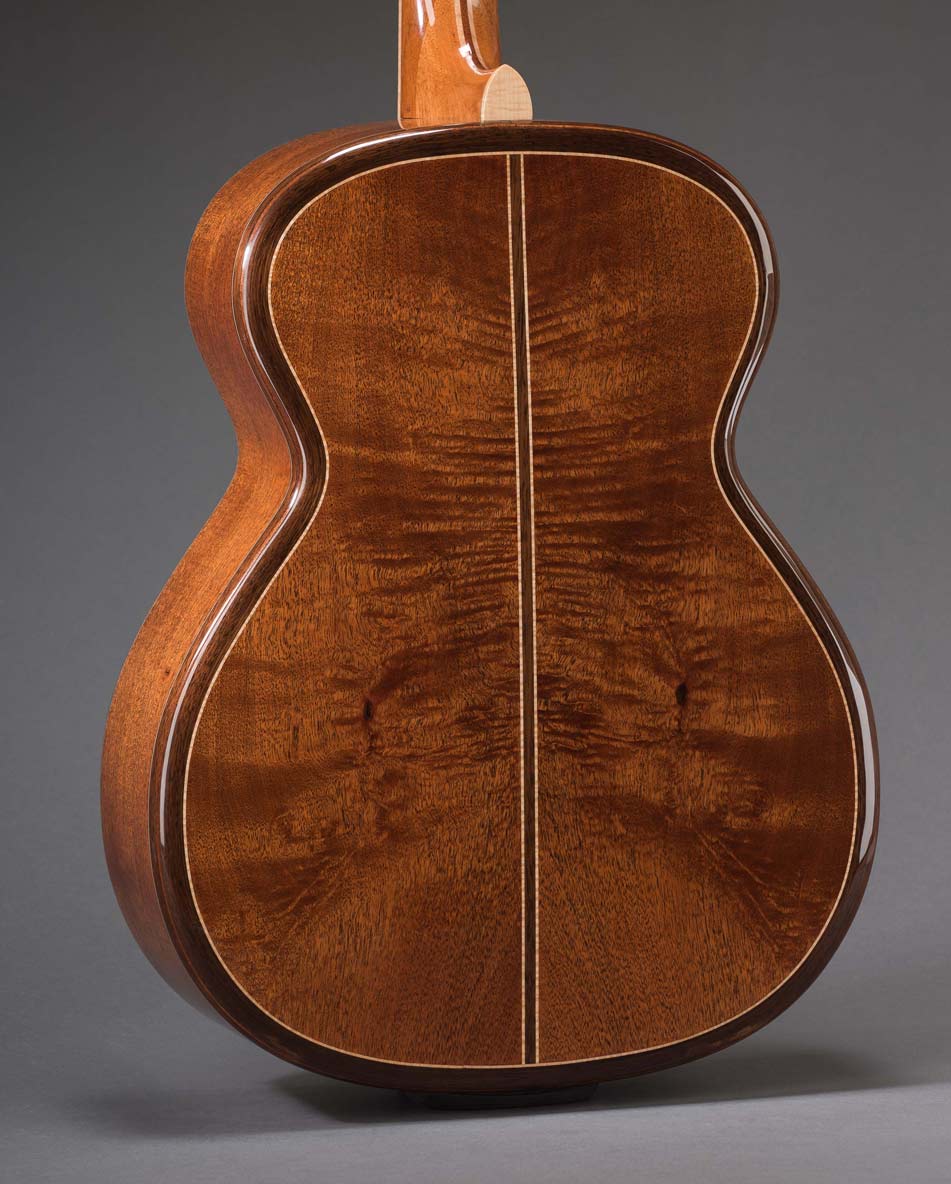
Madagascar
Rosewood We also love this rosewood for its beautiful response and color. |
 |
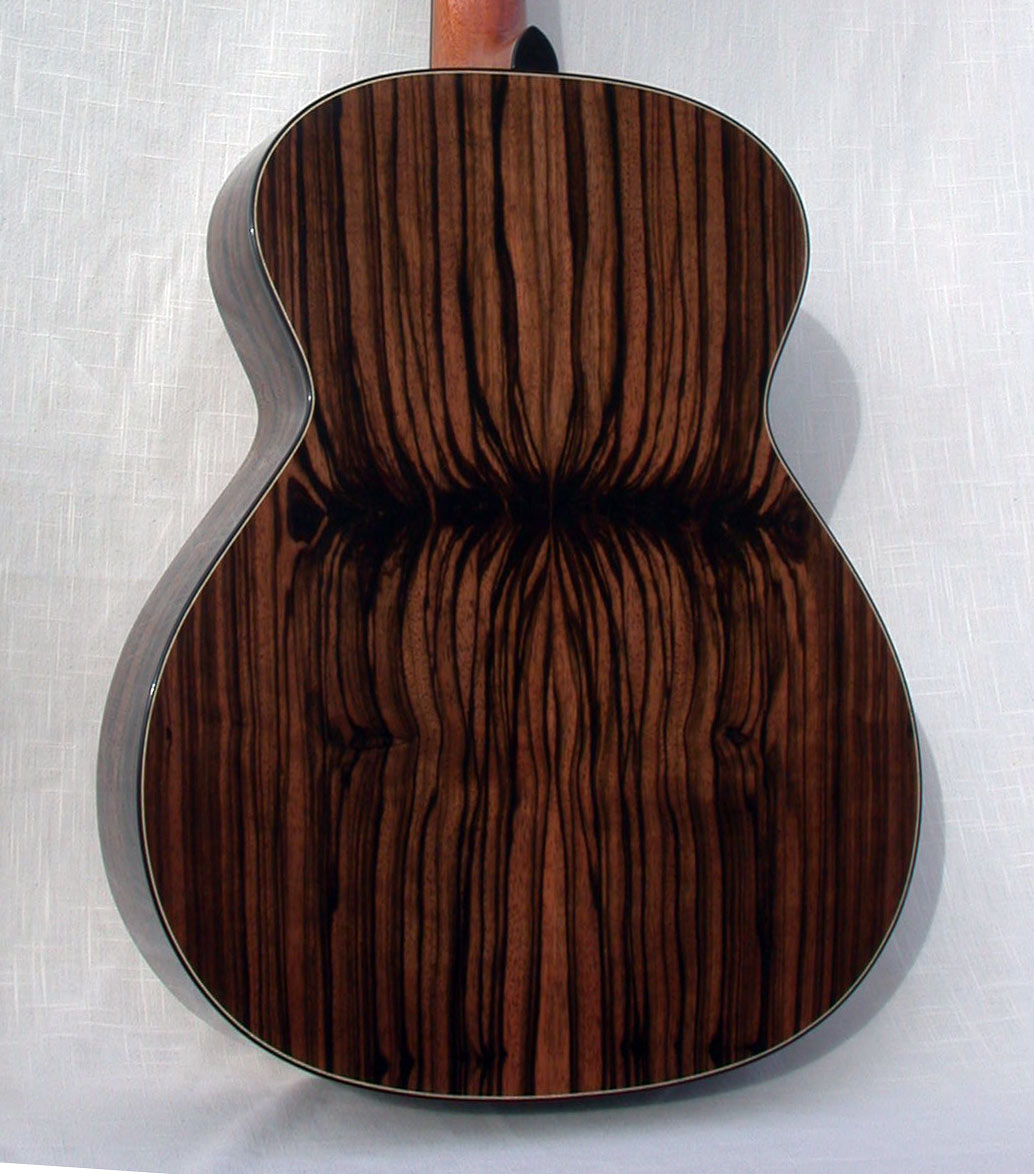
Kiawe We've made a few guitars now from kiawe and like it a lot. (pronounced key-ah'-vay) This set came from the Big Island of Hawaii where it is considered a pest wood. That said, it can stand up tonally the finest Brazilian rosewood, except it is not as moody.
It is a close cousin to mesquite and yes, the Islanders use it for charcoal for their amazing barbeques.
|
|
Macassar Ebony We only had three sets with this pattern and they are long gone but thought we'd show you the colors and striping as an example. Luthier's Mercantile International carried this picture in their catalogs and website for many years but finally had to take it down because of the many requests for sets like this. |
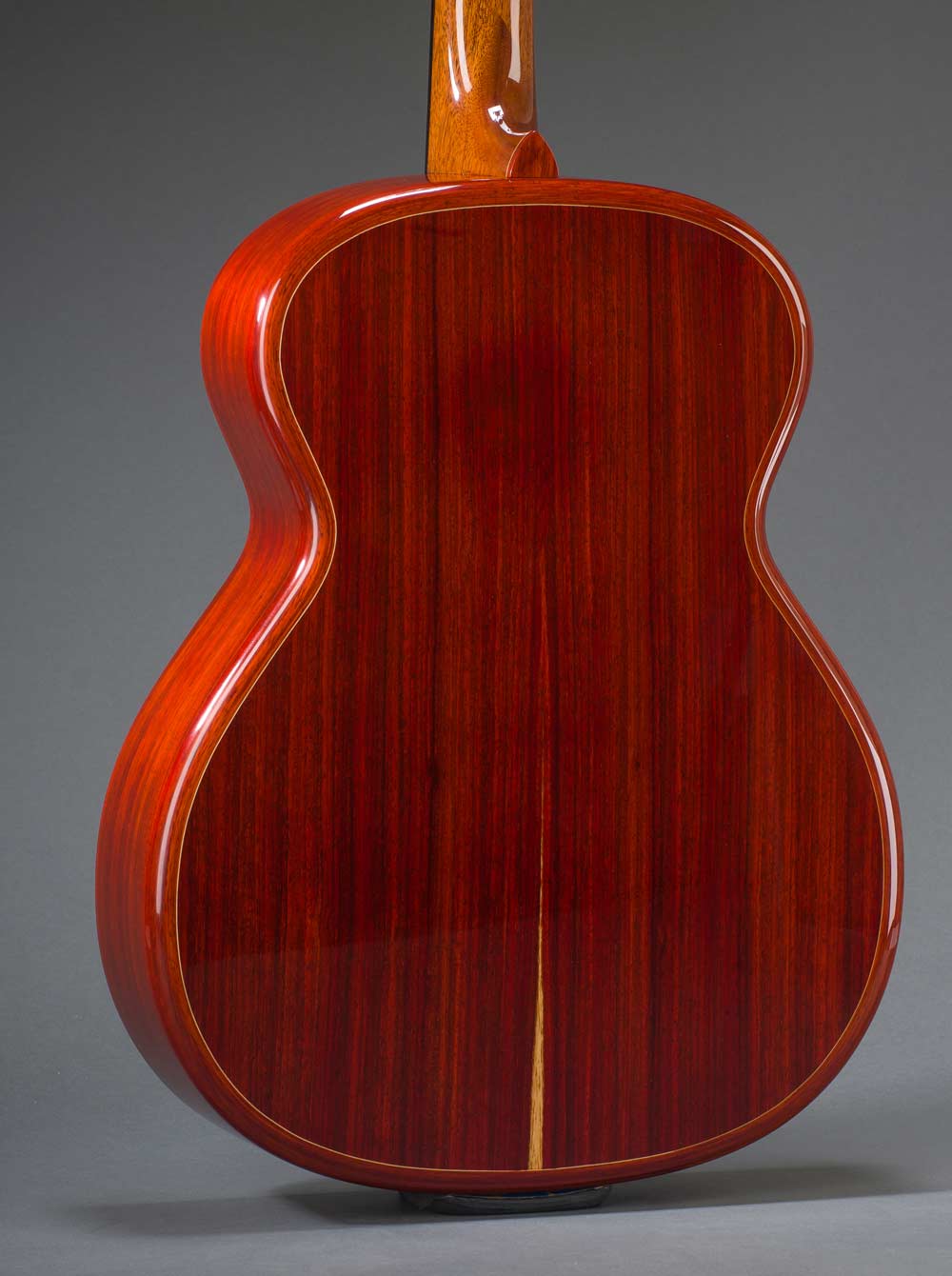 |
Padauk Paduak is an excellent tonewood and we have never figured out why it is not used more often in guitar building. Does the neon orange color scare people off? It tones down to slightly more brown color in a few years.
Shown here in the Rigid Rim construction with padauk rims.
|
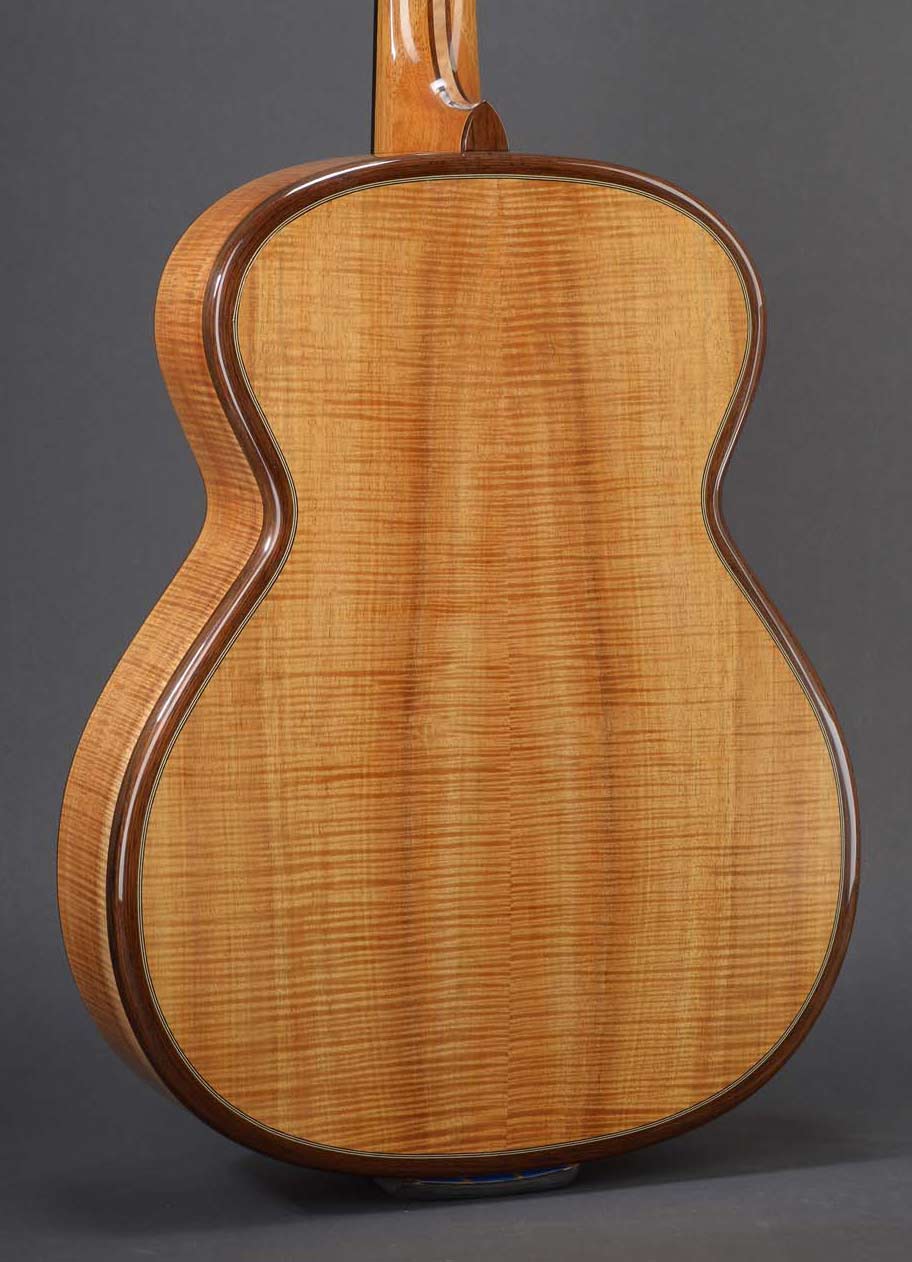 |
Koa An excellent choice for backs and sides, koa has become a little more scarce in the past few years and the price has shot up as a result.
Shown here in the Rigid Rim construction with Peruvian walnut rims.
|
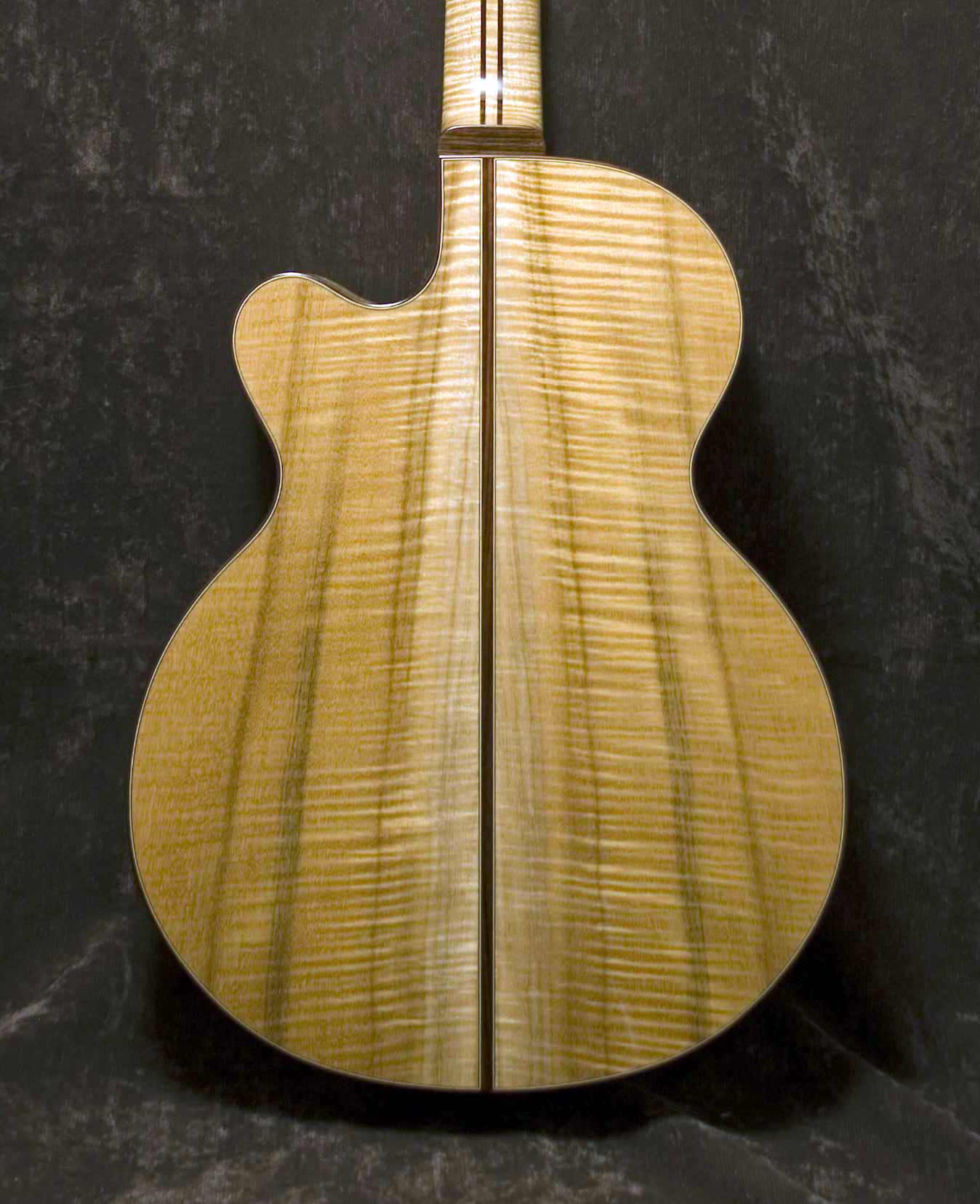 |
Myrtle We purchase our myrtle from a sawyer who lives a few hours north of here in Oregon. He has a knack for finding the more interesting pieces.
|
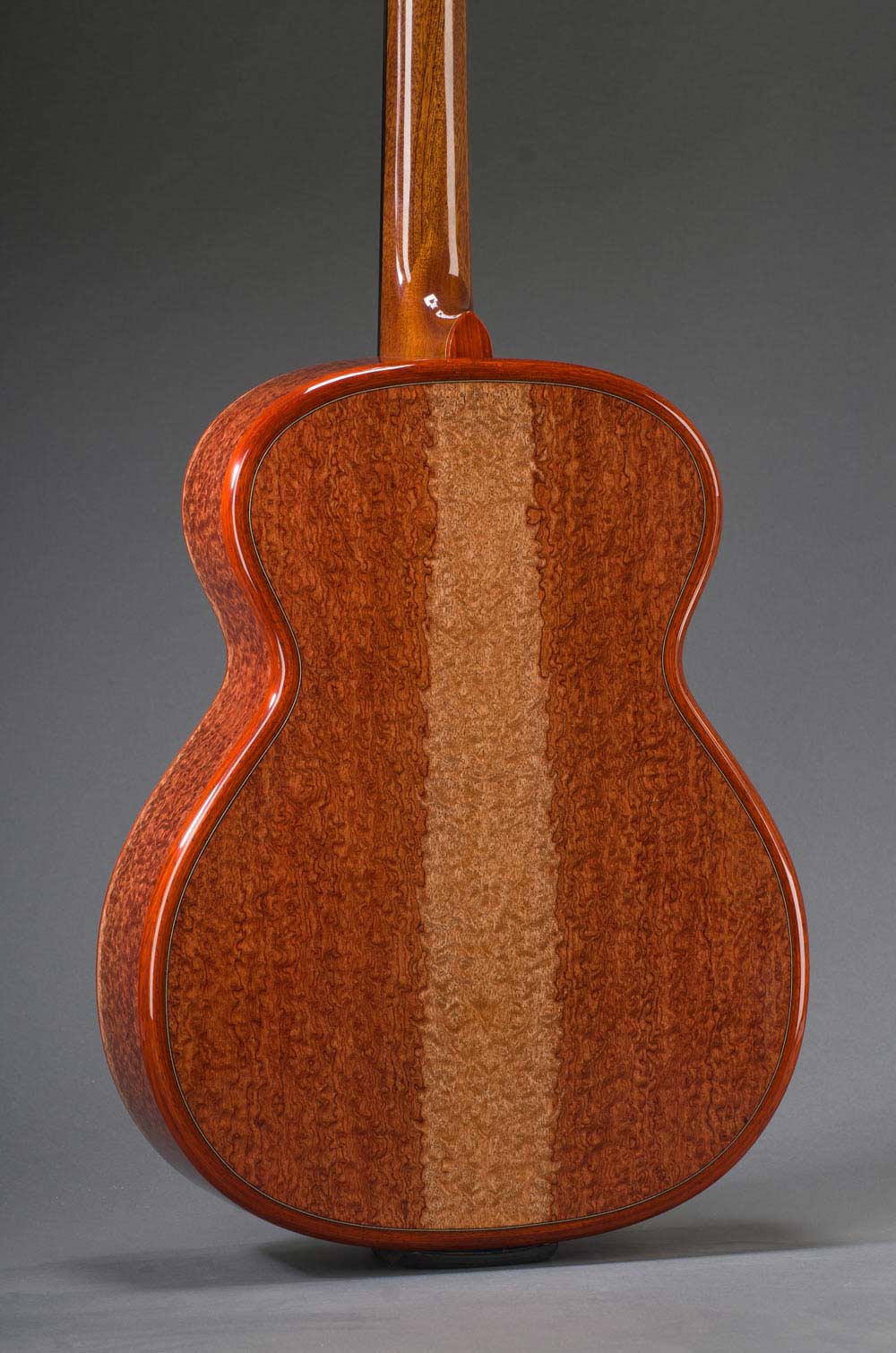 |
Bubinga This bubinga has a rare figure called pomele. I made this guitar for my son in 2013. I turned him loose in the shop to pick any material he liked. This is what he chose and asked for padauk rims.
|
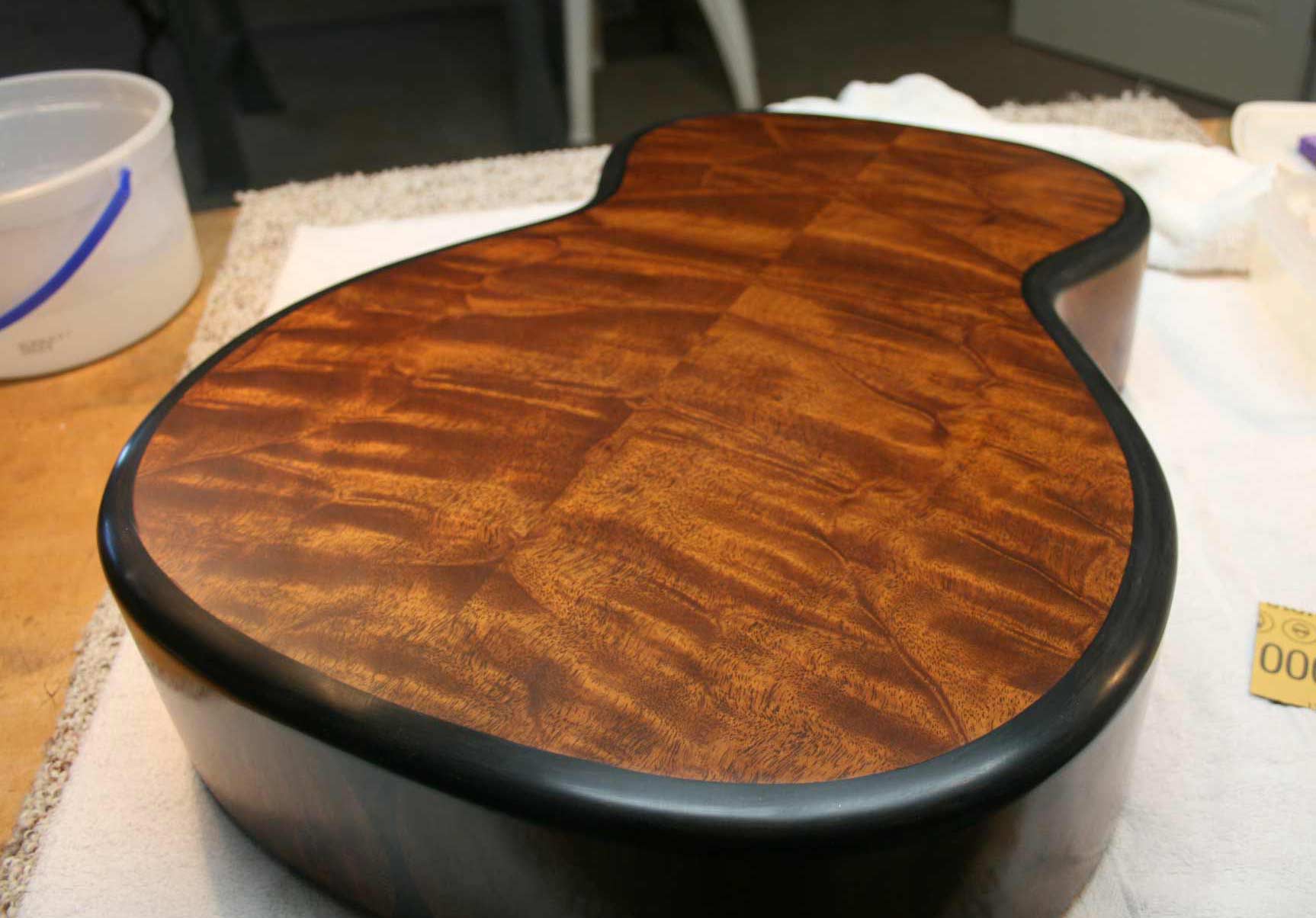 |
Honduran
Mahogany ("The Tree") This workbench shot was taken after wet sanding to remove the gloss, the first step in polishing.
This is the more expensive figure called "Tortoise Shell." Shown here with ebony rims which we do not recommend because of its weight but it sure looks cool!
This tree has an interesting story...Click here to read
|
|
Rick Micheletti |
19590 Shafer Ranch Road |
Willits, California 95490 |
(707) 459-0820 |